Find gear driven toroidal winder for transformers, motors, and inductors
Source 30 gear driven toroidal winder units with varying specifications for transformer, motor, and inductor applications. Compare wire diameter ranges, winding speeds, and machine dimensions to select the right equipment for your production needs.
Key considerations
Products List




Comprehensive Sourcing Guide
Strategic Sourcing Guide for Gear Driven Toroidal Winding Equipment
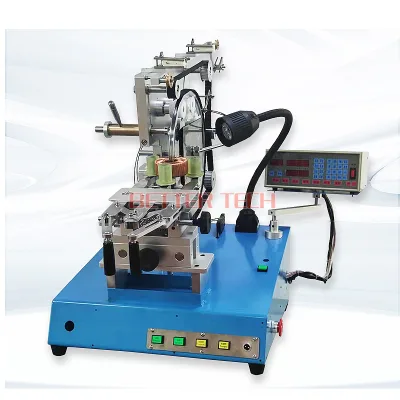
The procurement of specialized winding machinery, specifically gear-driven toroidal winders, requires a rigorous approach that balances technical precision with supply chain reliability. These machines are engineered to handle the unique geometric challenges of toroidal cores, where wire must be wound in a continuous loop around a doughnut-shaped form. Unlike traditional bobbin winders, toroidal machines often rely on complex gear heads and precise motor control to maintain tension and spacing without damaging the core or the insulation. Buyers entering this market must navigate a landscape where specifications vary significantly between models, and the distinction between manual, semi-automatic, and fully automatic systems is critical for operational efficiency. This guide provides a structured framework for evaluating potential equipment, ensuring that the selected machinery aligns with production requirements, quality standards, and long-term maintenance needs.
Technical Architecture and Core Specifications
The fundamental differentiator in gear-driven toroidal winders lies in their mechanical transmission and control systems. The "gear head" designation implies a specific mechanical arrangement where gears reduce motor speed to deliver high torque at the winding spindle, essential for maintaining consistent tension on the wire. When evaluating technical specifications, buyers must scrutinize the wire diameter capabilities, as this directly dictates the machine's versatility. Available configurations in the current market support wire diameters ranging from fine gauges of 0.05mm up to robust industrial wires of 2.5mm. For instance, specific models are designed to handle wire diameters between 0.5mm and 2.0mm, while others may accommodate a broader range of 0.7mm to 2.5mm.
The physical dimensions of the finished coil are equally critical. The machine must be capable of producing coils within the required outer diameter (O.D.) and inner diameter (I.D.) tolerances. Observed specifications indicate that maximum final coil outer diameters can range from 8mm to 200mm depending on the model, with minimum inner diameters typically starting at 3mm or 40mm for specific magazine configurations. The width of the magazine, which holds the wire spool, is another vital parameter, often adjustable between 4mm and 18mm, with 10mm being a standard setting. Furthermore, the maximum finished height of the coil, often capped at 100mm to 110mm, determines the vertical space required for the winding process.
Motor selection is a primary technical consideration. The drive system may utilize stepping motors for high-precision positioning or DC motors, such as 1/2HP units, for consistent winding speeds. The maximum winding speed varies significantly, with some units operating at 230rpm and others reaching up to 1500rpm. This variance suggests that the choice of machine should be dictated by the specific application; high-speed production lines may require the faster models, while applications demanding extreme precision might prioritize the stability of lower-speed gear-driven systems. The mechanical dimensions of the machine itself, often around 650mm by 500mm by 700mm, must be accounted for in the factory floor layout to ensure adequate clearance for operation and maintenance.
Compliance, Certification, and Safety Standards
In the global B2B market, compliance with international safety and environmental standards is non-negotiable. When sourcing gear-driven toroidal winders, buyers must verify that the equipment carries recognized certifications. The most prevalent standard observed in this category is the CE mark, which indicates conformity with health, safety, and environmental protection standards for products sold within the European Economic Area. Some advanced models also carry RoHS (Restriction of Hazardous Substances) and ISO certifications, suggesting adherence to broader quality management and environmental protocols.
Buyers should not assume that all listed products automatically possess these certifications. It is essential to request valid certification documentation from the supplier before finalizing a purchase. The presence of a CE mark on the machine's nameplate is a primary visual indicator, but it must be backed by a Declaration of Conformity. Additionally, while some background data may reference REACH compliance, this should be treated as a verification point rather than a guaranteed attribute unless explicitly confirmed by the manufacturer. The electrical safety of the machine is paramount, particularly given the operating voltage. Most units operate on AC 220V at 50Hz, which is a standard industrial voltage in many regions, but buyers must ensure that the power supply requirements match the local grid infrastructure to prevent damage to the control systems.
Cost Drivers and Procurement Economics
The total cost of ownership for a gear-driven toroidal winder extends far beyond the initial purchase price. While observed price ranges in the market can be vast, spanning from 100 USD to nearly 10 million USD, this range likely reflects differences in automation levels, motor power, and control complexity. A machine with a simple mechanical gear head will be significantly less expensive than a fully automatic unit equipped with a programmable controller capable of storing hundreds of winding programs. The cost is heavily influenced by the sophistication of the control system; models with presetable programs, such as those capable of storing 50x20 groups or up to 999 sets of programs, command a premium due to their ability to reduce setup time and minimize human error.
Other cost drivers include the weight and material quality of the machine. Heavier units, such as those weighing 94kg or 120kg, often feature more robust frames and higher-quality bearings, which contribute to longevity and stability during high-speed operation. The packaging method also impacts logistics costs; while some units are shipped in standard paper cartons, others require export-standard cartons or strong wooden pallets to prevent damage during transit. Buyers should factor in the lead time, which typically ranges from 25 to 35 days, into their production planning. This duration accounts for manufacturing, quality testing, and the preparation of the unit for shipping. Additionally, the customization options available, such as specific voltage requirements or unique mechanical dimensions, can add to the overall cost but may be necessary for integration into existing production lines.
Typical Applications and Operational Versatility
Gear-driven toroidal winders are primarily utilized in the manufacturing of transformers, inductors, and chokes where the core geometry is toroidal. The ability to wind wire continuously around a ring without cutting and splicing is a key advantage, resulting in superior electrical performance and mechanical strength. These machines are essential in the production of high-frequency transformers used in switch-mode power supplies, audio equipment, and automotive electronics. The specific application dictates the required winding speed and tension control; for example, audio transformers may require slower, more precise winding to minimize microphonics, while power transformers might prioritize speed and consistency.
The versatility of these machines is often highlighted by their key descriptors, such as "Transformer Winding Machine" or "Gear Head Winding Machine." This terminology underscores their dual capability to handle both general transformer windings and specialized gear-driven toroidal tasks. The ability to adjust the wire spacing through proportional linkage allows for tight packing of windings, which is crucial for maximizing the efficiency of the magnetic core. Furthermore, the automatic nature of these machines allows for unattended operation once the program is set, making them suitable for high-volume manufacturing environments. The machine's capacity to handle different wire diameters, from fine enameled copper wires to thicker gauges, makes it a flexible asset for facilities that produce a diverse range of electromagnetic components.
Supplier Evaluation and Quality Assurance
Selecting the right supplier is as critical as selecting the right machine. Buyers should prioritize suppliers who demonstrate transparency regarding their manufacturing processes and quality control measures. A key indicator of a reliable supplier is the clarity of their product documentation, including detailed specifications for wire diameter, coil dimensions, and motor types. The presence of a warranty, typically one year, is a standard expectation and serves as a baseline for after-sales support. Buyers must verify the terms of this warranty, including what components are covered and the availability of spare parts.
Quality control during the procurement process should involve a thorough review of the machine's mechanical dimensions and weight. Discrepancies between the listed specifications and the actual delivered product can indicate poor manufacturing control. For instance, if the machine size is listed as 650x500x700mm but the delivered unit differs significantly, it may affect the integration into the production line. Additionally, the packaging quality is a proxy for the supplier's attention to detail. Units shipped in "Great" packages or with export-standard protection are less likely to suffer transit damage. Buyers should also inquire about the supplier's experience with the specific gear-driven technology, as this is a specialized field requiring precise engineering.
Long-Term Procurement and Maintenance Considerations
The long-term viability of a gear-driven toroidal winder depends on its maintainability and the availability of technical support. The automatic nature of these machines reduces the need for constant operator intervention, but it increases the reliance on the control system and the mechanical gear head. Buyers should ensure that the supplier provides comprehensive training and maintenance manuals. The controller's storage capacity, whether it holds 29 sets or 999 sets of programs, impacts the machine's adaptability to future product changes. A higher capacity allows for a larger library of winding patterns, reducing the need for reprogramming and minimizing downtime.
Maintenance costs are influenced by the wear and tear on the gear head and the motor. Regular inspection of the gear train and the winding spindle is necessary to prevent failures. The machine's weight and stability are factors in this regard; heavier machines tend to vibrate less, reducing wear on the components. Buyers should also consider the shipping logistics, as the machine must be transported by ship or air, depending on the urgency and location. The lead time of 25-35 days should be factored into the procurement cycle to ensure that the machine arrives before the production schedule requires it. Finally, the availability of customization options, such as specific voltage or packing requirements, should be confirmed early in the process to avoid delays in the final delivery.
Comparative Analysis of Machine Capabilities
To assist in the decision-making process, the following table summarizes the key technical differences observed among various gear-driven toroidal winder models. This comparison highlights the range of capabilities available in the market, allowing buyers to match specific requirements with the appropriate machine class.
| Feature | Model Category A | Model Category B | Model Category C |
|---|---|---|---|
| Wire Diameter Range | 0.5mm - 2.0mm | 0.05mm - 1.1mm | 0.7mm - 2.5mm |
| Max Final Coil O.D. | 80mm - 230mm | 8mm - 60mm | 60mm - 200mm |
| Min Final Coil I.D. | 40mm | 3mm | 40mm |
| Max Winding Speed | 230rpm | 1500rpm | 200rpm |
| Motor Type | Stepping / DC | DC Motor | Stepping / DC |
| Controller Capacity | 1000 Programs | 999 Sets | 29 Sets |
| Weight | 120kg | 70kg | 94kg |
| Certification | CE | CE, RoHS, ISO | CE |
| Mechanical Dimensions | 650x500x700mm | 60x62x55mm | 550x500x780mm |
This comparative view underscores the importance of aligning machine specifications with production needs. A high-speed model with a large program capacity may be ideal for mass production, while a smaller, lighter unit might be better suited for R&D or low-volume, high-precision tasks. By carefully analyzing these parameters, buyers can make informed decisions that optimize both performance and cost-efficiency in their winding operations.
FAQs
What certifications do gear driven toroidal winders typically have?
Most models carry CE certification, and some advanced units also include RoHS and ISO marks. Buyers must verify valid documentation from the supplier, as not every listed product automatically possesses these certifications. The presence of a CE mark on the nameplate is a primary visual indicator of conformity with safety standards.
Can these machines handle different wire diameters?
Yes, available configurations support wire diameters ranging from 0.05mm up to 2.5mm depending on the specific model. Some units handle 0.5mm to 2.0mm, while others accommodate 0.7mm to 2.5mm. This versatility allows facilities to produce diverse electromagnetic components without changing equipment.
How long is the lead time for delivery?
The typical lead time ranges from 25 to 35 days for manufacturing and preparation. This duration accounts for production, quality testing, and packaging for shipping. Buyers should factor this timeline into their production planning to ensure timely integration into existing lines.
What is the maximum winding speed for these machines?
Maximum winding speeds vary significantly, with some units operating at 230rpm and others reaching up to 1500rpm. The choice of machine should be dictated by the specific application, as high-speed production lines may require faster models while precision tasks might prioritize stability.
Are customization options available for these winding machines?
Customization is available for specific voltage requirements or unique mechanical dimensions to fit existing production lines. Buyers can request tailored specifications, though these options may add to the overall cost. The ability to adjust wire spacing and magazine width further enhances operational flexibility.
What is the warranty period for this equipment?
A standard one-year warranty is typically provided for these gear-driven machines. Buyers must verify the terms of this warranty, including what components are covered and the availability of spare parts. This baseline for after-sales support is a standard expectation in the industry.
How much does the machine weigh?
Weights vary by model, with observed units ranging from 70kg to 120kg. Heavier units often feature more robust frames and higher-quality bearings, contributing to longevity and stability during high-speed operation. The mechanical dimensions and weight must be accounted for in the factory floor layout.